Oil and gas valves manufacturer expertise is critical for the safety and reliability of energy infrastructure worldwide. In environments where extreme pressure and corrosive fluids are the norms, selecting the right high-performance equipment ensures long-term operational success and environmental protection. High-quality manufacturing standards prevent costly downtime and safeguard the lives of personnel on-site. Explore our comprehensive engineering guide to find the perfect solutions for your facility and request a detailed technical proposal today.
Leading Oil and Gas Valves Manufacturer Solutions
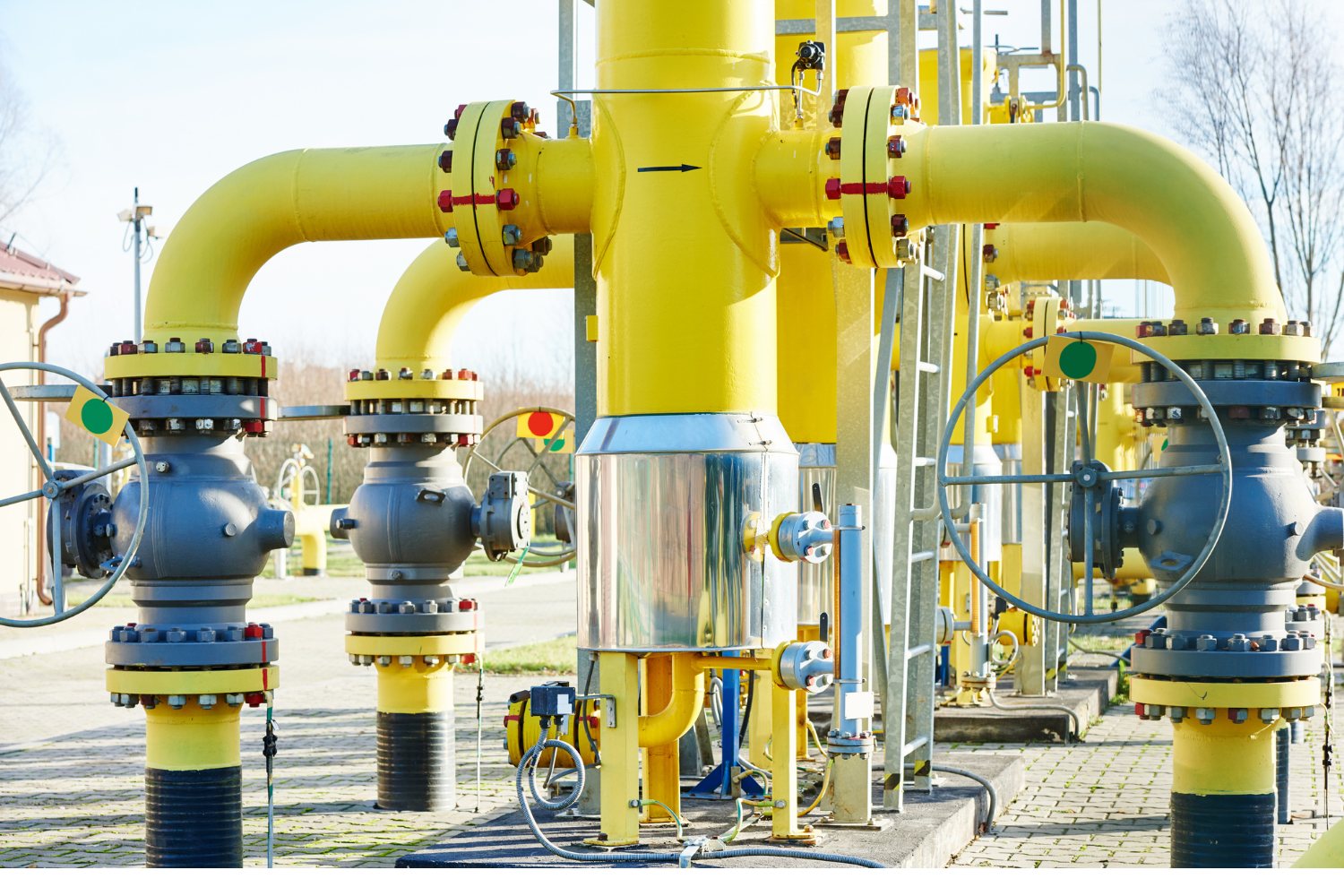
Choosing a reliable oil and gas valves manufacturer involves more than just purchasing hardware; it is about finding a strategic partner that understands the rigorous demands of the energy sector. Whether your project is situated in the upstream, midstream, or downstream segment, each stage of production requires specific engineering configurations to handle diverse flow media. A manufacturer with deep roots in the industry can provide the necessary E-E-A-T (Expertise, Experience, Authoritativeness, and Trustworthiness) to ensure your project complies with international safety regulations.
Modern energy projects often face challenges such as high concentrations of $H_{2}S$ and $CO_{2}$, requiring materials that can resist hydrogen embrittlement and sulfide stress cracking. By working with a top-tier oil & gas valve manufacturers group, you gain access to advanced metallurgy, including stainless steels and exotic alloys like Monel or Inconel. These materials are essential for maintaining the integrity of the pressure boundary in sour service environments.
Essential Valves for Oil and Gas Industry Applications
The demand for specialized valves for oil and gas industry continues to grow as exploration moves into deeper waters and more remote locations. These components act as the “gatekeepers” of the pipeline, managing the flow of crude oil, natural gas, and refined products across thousands of miles. Each application, from wellhead manifolds to refinery discharge lines, requires a unique combination of sealing technology and mechanical strength.
When evaluating oil and gas valves, engineers must prioritize components that offer low fugitive emissions. Reducing leakages is not only a matter of efficiency but also a core component of modern environmental, social, and governance (ESG) goals. Advanced packing systems, such as those compliant with ISO 15848 standards, provide a secondary layer of protection against the release of toxic or flammable gases into the atmosphere.
Understanding Primary Oil and Gas Valve Types
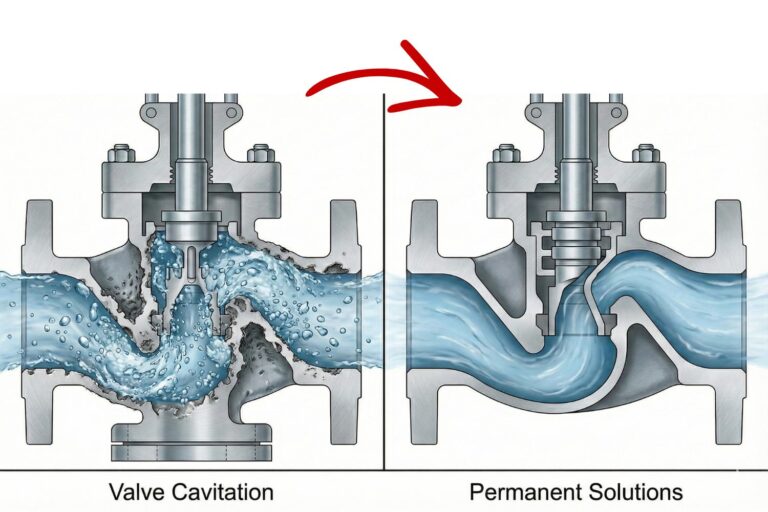
The diversity of the energy sector necessitates a wide range of oil and gas valve types. Selecting the wrong type of valve in oil and gas processes can lead to accelerated wear, cavitation, or even catastrophic failure. Therefore, it is vital to understand the functional differences between the most common designs used in the field.
The following types of valves in oil and gas industry serve distinct purposes:
- Gate Valves: Primarily used for isolation, these valves provide a straight-through flow with minimal pressure drop when fully open.
- Ball Valves: Known for their quick quarter-turn operation and excellent sealing, they are preferred for both upstream production and midstream transmission.
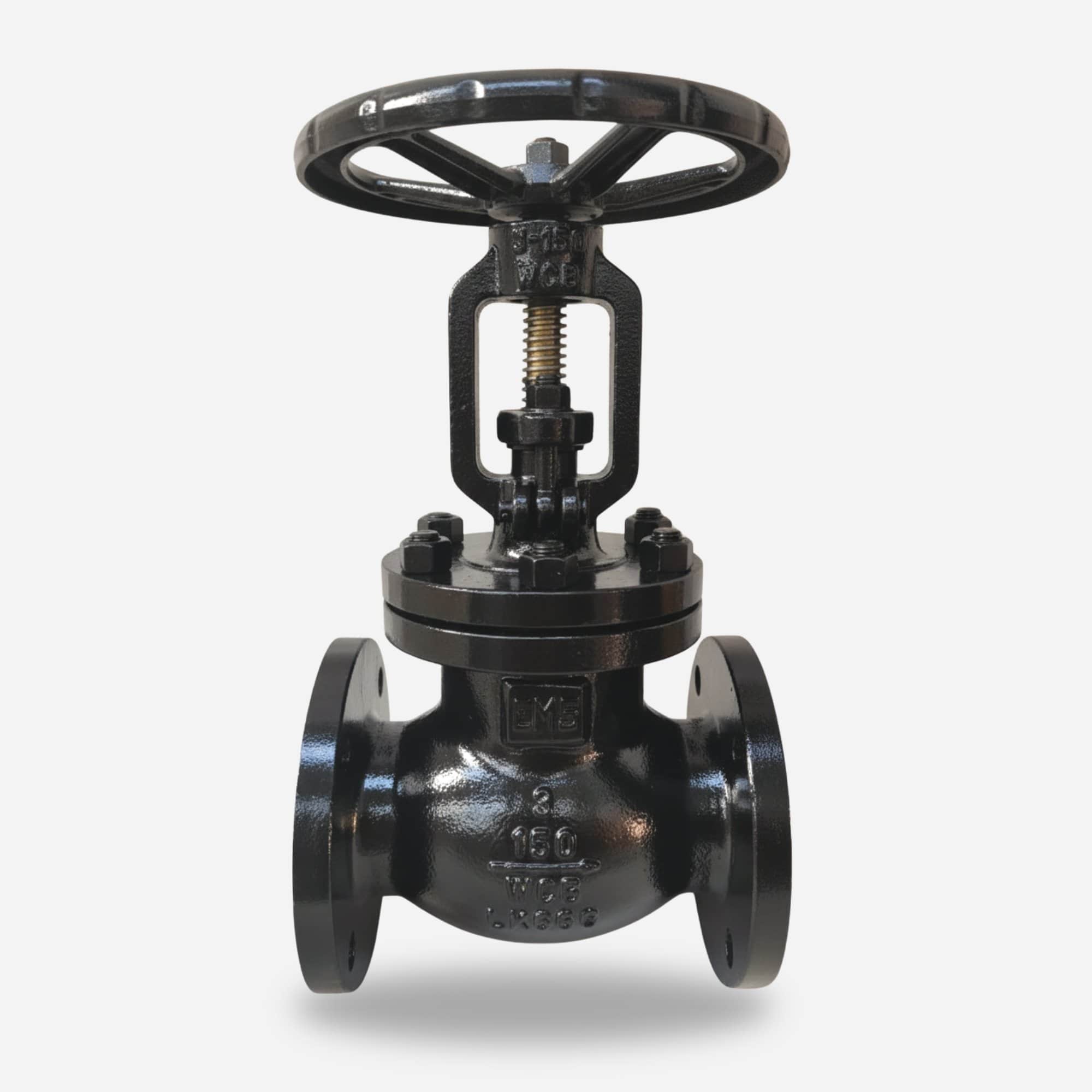
- Globe Valves: These are the preferred choice for throttling and regulating flow, offering precise control over the fluid’s velocity and pressure.
- Check Valves: Essential for preventing backflow, they protect pumps and turbines from damage caused by flow reversal.
Optimizing Performance with Ball Valve for Oil and Gas Industry
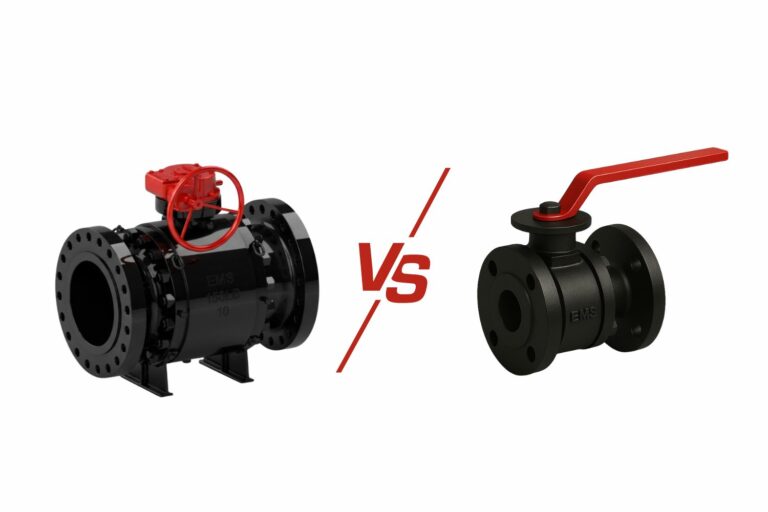
A ball valve for oil and gas industry use is often designed as either a floating or trunnion-mounted configuration. In high-pressure and large-diameter applications, the trunnion design is superior because it supports the ball with upper and lower pins, distributing the load evenly and reducing the torque required for operation. This makes them ideal for automated systems where reliability is paramount.
Using a ball valve oil and gas industry solution also provides the benefit of “Double Block and Bleed” (DBB) capabilities. This feature allows operators to isolate both upstream and downstream pressure and vent the cavity between the seats, ensuring a safe environment for maintenance activities without shutting down the entire line.
Typical Comparison of Oil and Gas Valve Solutions
| Valve Type | Application | Pressure Class | Primary Benefit |
| Trunnion Ball | Main Pipeline, ESD | 150 – 2500 | Low torque, DBB capability |
| Slab Gate | Pigging Lines, Manifolds | 150 – 900 | Full bore, piggable design |
| Lift Check | Pump/Turbine Protection | 800 – 4500 | Reliable backflow prevention |
| Y-Type Glob | Steam/Gas Throttling | 150 – 2500 | Precise flow regulation |
The Superiority of Forged Materials in Manufacturing
For many oil & gas valve manufacturers, the debate between casting and forging is a question of structural integrity. While cast valves are economical for large sizes, forged valves offer a tighter grain structure that is highly resistant to impact, thermal shock, and high-frequency vibrations. In high-pressure Class 800 or Class 1500 applications, forging is often a technical necessity rather than a preference.
Forged components eliminate the risk of porosity and internal shrinkage that can occur during the casting process. This ensures that every part of the valve body is homogeneous, providing a safer solution for transporting hazardous materials through residential or ecologically sensitive areas.
Advanced Automation and Gas Over Oil Actuator Systems
Automation is the backbone of modern energy safety, and the gas over oil actuator is a prime example of advanced field technology. These actuators utilize the pressure of the pipeline gas itself to move hydraulic oil, which in turn operates the valve. This system is particularly useful in remote pipeline locations where external power sources are unavailable, ensuring that emergency shutdown (ESD) valves can function under any circumstances.
Integrated with SCADA systems, automated valves allow for real-time monitoring and rapid response to pressure surges or leaks. By choosing a manufacturer that offers “automation-ready” designs with ISO 5211 mounting pads, you can streamline the integration of pneumatic, electric, or hydraulic actuators.
Selection Criteria for Energy Infrastructure
When sourcing products from an oil and gas valves manufacturer, follow this checklist to ensure the highest standards:
- Standard Compliance: Does the product meet API 6D, API 602, or ASME B16.34 requirements?
- Testing Protocols: Are the valves subjected to API 598 sızdırmazlık tests and non-destructive examination (NDT)?
- Traceability: Can the manufacturer provide EN 10204 3.1/3.2 material certificates?
- Fire Safety: Is the design certified as “Fire-Safe” under API 607 or ISO 10497 standards?
- Service Life: What is the total cost of ownership (TCO) considering maintenance intervals and spare part availability?
Partnering with a Proven Oil and Gas Valves Manufacturer
Investing in quality is the only way to ensure the safety of your energy operations. With over 45 years of experience and a 15,000 $m^{2}$ modern production facility, our team at EMS Vana is dedicated to delivering the world’s most reliable flow control solutions. As a 100% local oil and gas valves manufacturer, we combine global quality standards with fast delivery times and comprehensive after-sales support.
Our engineering center utilizes advanced 3D design and deformation simulators to optimize every structural element of our valves before they reach the production floor. From high-pressure forged gate valves to automated trunnion ball valves, we provide the durability your project deserves.
Are you ready to enhance the security and efficiency of your facility? Contact our expert engineering team today to discuss your project specifications and receive a comprehensive quote from a trusted oil and gas valves manufacturer.




Contact Us Now
Reach out to our expert team today for tailored valve solutions for your projects.