



Similar Posts
Multi-Turn Actuator to Valve Attachment
EMS Valve Our Products Forged Valves Gate Valves Globe Valves Check Valves Ball Valves Strainers / Filters
Differences Between Gate Valves and Globe Valves
Fundamental Differences Between Gate Valves and Globe Valves: A Comprehensive Comparison In industrial plants, valve selection is a critical engineering decision…
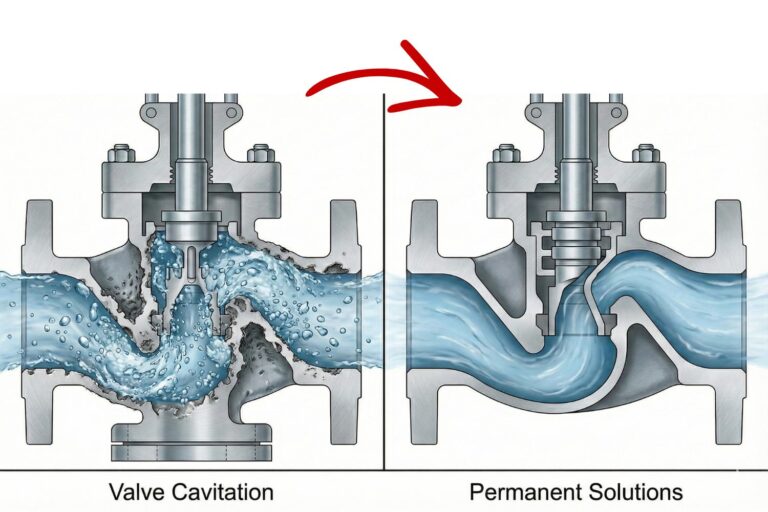
How to Prevent Valve Cavitation: A Field-Proven Technical Guide
Valve cavitation is a serious hydraulic issue that often starts as “minor noise” but can quickly undermine equipment life, process stability,…
Oil and Gas Valves Manufacturer
Oil and gas valves manufacturer expertise is critical for the safety and reliability of energy infrastructure worldwide. In environments where extreme…
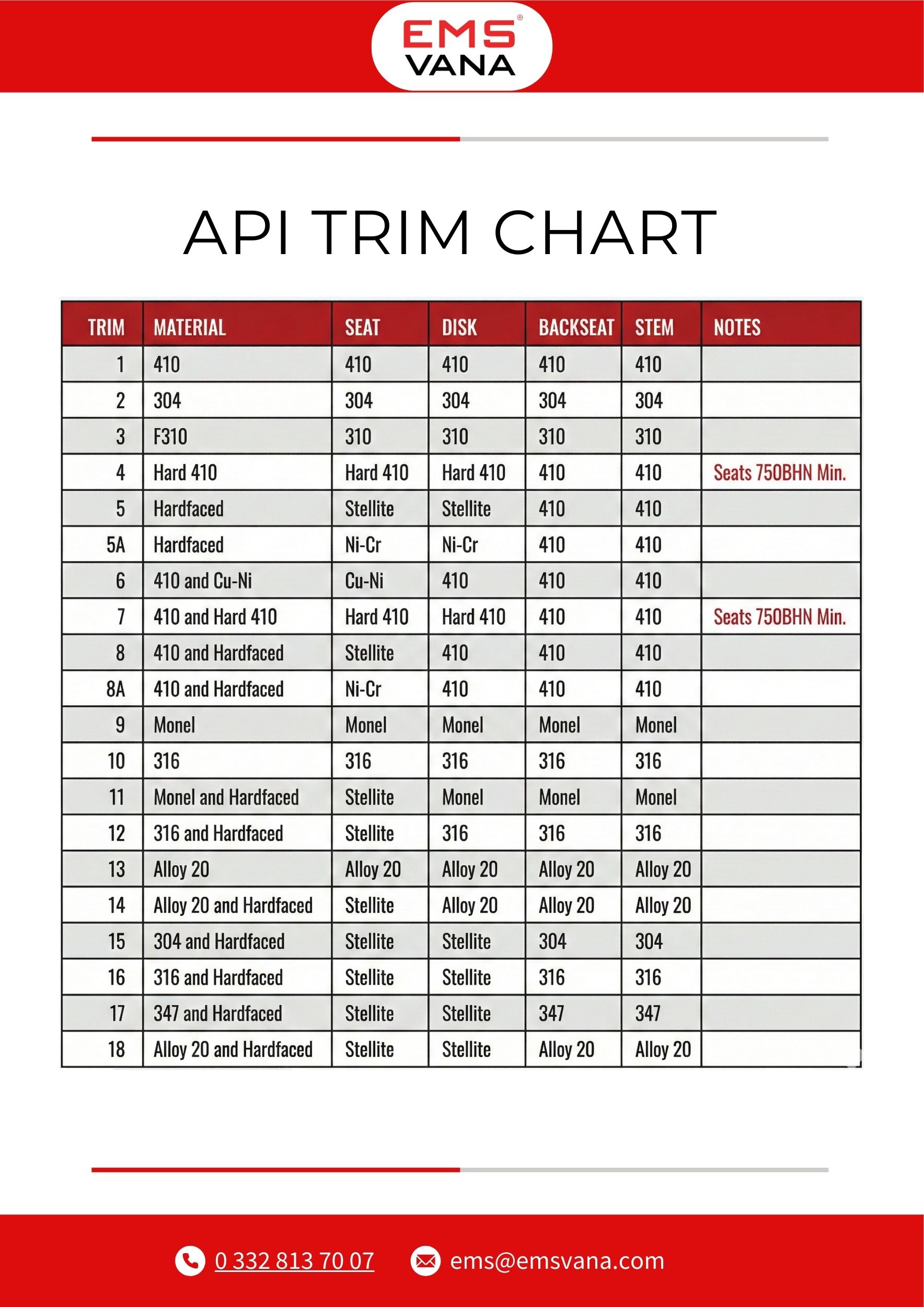
API 602 Forged Steel Valves Explained: Specifications, Pressure Classes, and Applications
API 602 is the American Petroleum Institute standard governing compact forged steel gate, globe, check, ball, and plug valves in sizes…
Advantages of Forged Valves: High-Pressure and Leak-Tight Performance
A forged valve increases plant safety and continuity by delivering superior leak-tightness at high pressures and temperatures in demanding processes. In…