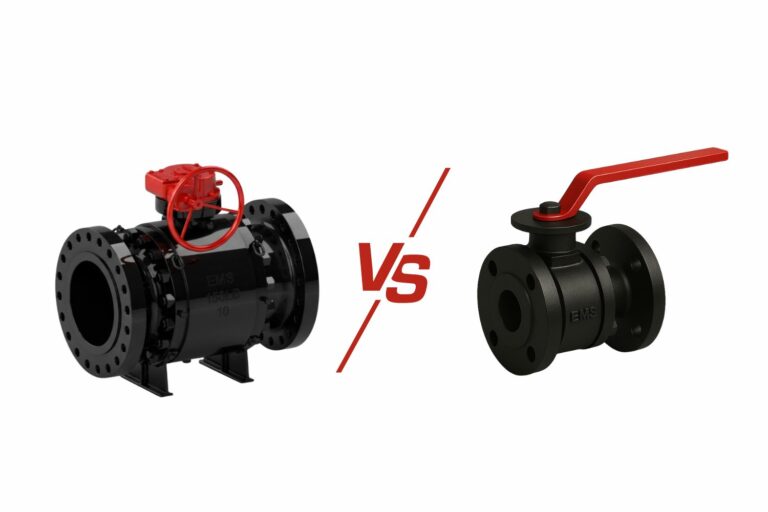
In the complex world of industrial piping, a single wrong material choice can lead to catastrophic leaks, costly downtime, and safety hazards. When selecting ball valves—the workhorses of flow control—the decision often comes down to two primary contenders: Carbon Steel (CS) and Stainless Steel (SS).
While they may look similar in design, their metallurgical properties dictate entirely different use cases. Whether you are managing an oil refinery, a chemical processing plant, or a high-pressure steam system, understanding the nuances between these materials is critical for operational efficiency and ROI.
In this guide, we break down the pros, cons, and specific applications of Carbon Steel vs. Stainless Steel ball valves to help you specify the right component for your project.
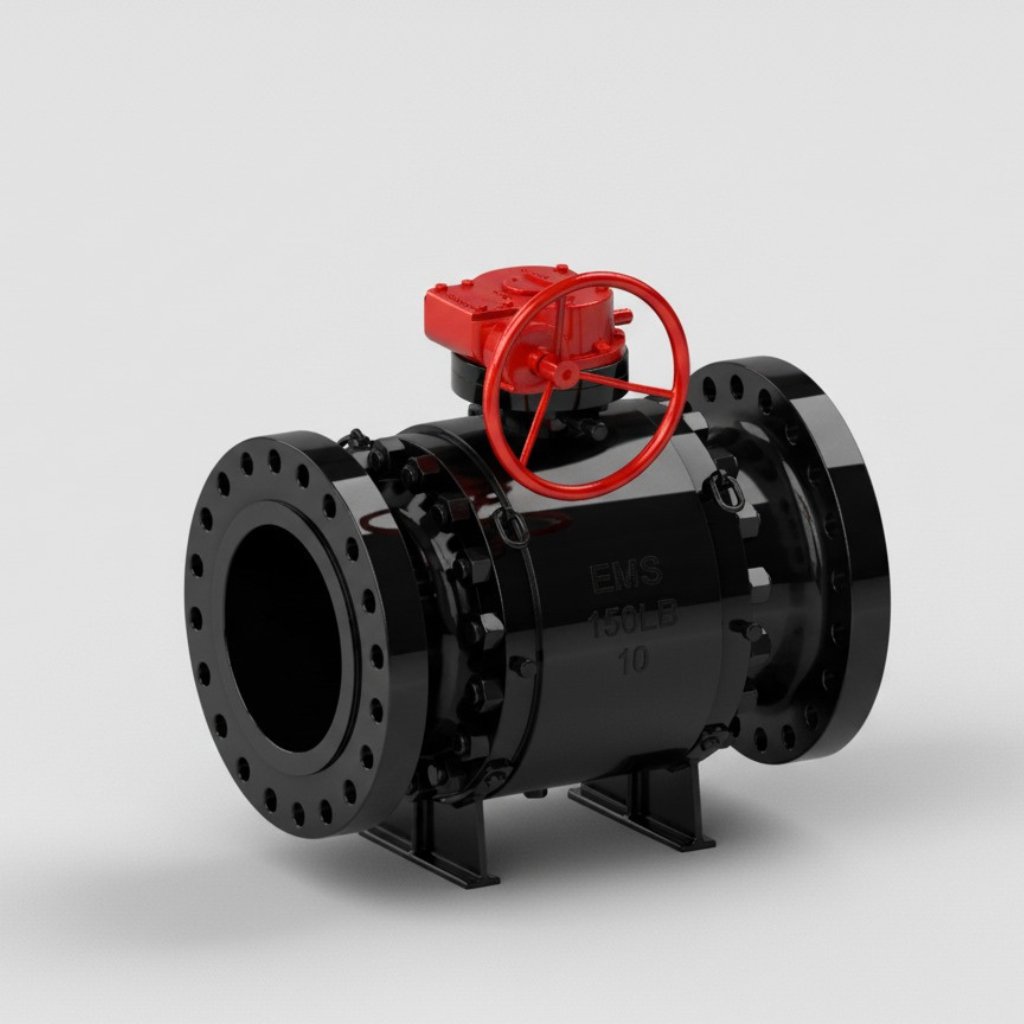
1. Carbon Steel Ball Valves: The High-Pressure Workhorse
Carbon steel is an alloy primarily composed of iron and carbon, with trace amounts of other elements. In the valve industry, the most common cast grade is ASTM A216 WCB, and the forged grade is ASTM A105.
The Pros:
- Extreme Durability: Carbon steel is renowned for its toughness. It has excellent tensile strength and impact resistance, making it ideal for high-stress environments.
- High Pressure & Temperature Tolerance: Carbon steel valves (often rated for Class 800, 1500, or 2500) perform exceptionally well in high-pressure hydraulic and steam lines where temperatures can fluctuate drastically.
- Cost-Effectiveness: Generally, carbon steel is more affordable than stainless steel, making it the preferred choice for large-scale projects where corrosion is not a primary concern.
The Cons:
- Susceptibility to Corrosion: The “Achilles’ heel” of carbon steel is rust. Without protective coatings or plating, it will corrode when exposed to moisture, chemicals, or saline environments.
Best Applications:
- Oil & Gas pipelines (non-corrosive crude).
- Steam and power generation plants.
- High-pressure hydraulic systems.
- Dry gas distribution.
2. Stainless Steel Ball Valves: The Corrosion Fighter
Stainless steel contains a high percentage of chromium (typically at least 10.5%), which forms a passive oxide layer on the surface. This layer heals itself in the presence of oxygen, providing superior protection against rust. Common grades include 304 (CF8) and 316 (CF8M).
The Pros:
- Superior Corrosion Resistance: This is the deciding factor. Stainless steel (especially 316 grade with added molybdenum) resists attack from chlorides, acids, and seawater.
- Wide Temperature Range: Stainless steel maintains its strength in cryogenic applications (LNG) and high-heat environments alike.
- Hygiene & Purity: Unlike carbon steel, SS does not leach rust into the media, making it mandatory for food, beverage, and pharmaceutical industries.
The Cons:
- Higher Cost: Due to the addition of chromium and nickel, stainless steel valves come at a premium price point compared to carbon steel.
Best Applications:
- Chemical and petrochemical processing.
- Marine and offshore environments (seawater).
- Food, beverage, and pharmaceuticals (sanitary lines).
- Corrosive water treatment.
3. Head-to-Head Comparison: Which One Do You Need?
To simplify your decision, here is a breakdown of the critical factors:
| Feature | Carbon Steel (WCB/A105) | Stainless Steel (304/316) |
| Corrosion Resistance | Low (Needs painting/coating) | Excellent (Built-in protection) |
| Cost | Low to Moderate | Moderate to High |
| Tensile Strength | High | High (but CS is often harder) |
| Common Media | Oil, Gas, Steam, Air | Acids, Chemicals, Water, Food |
| Maintenance | Requires exterior maintenance | Low maintenance |
4. Critical Selection Factors Engineers Often Miss
Before placing your order, consider these three advanced factors:
A. The “Fire-Safe” Requirement (API 607)
If you are operating in a refinery or handling flammable fluids, material strength isn’t enough. You need valves designed to API 607 standards. While carbon steel is common here due to its high melting point, ensure the seat materials (often Teflon/PTFE) are designed with secondary metal backup seals to prevent leakage during a fire.
B. Galvanic Corrosion
Avoid mixing materials indiscriminately. Installing a stainless steel valve on a carbon steel pipe (in the presence of an electrolyte like saltwater) can accelerate corrosion at the joint due to dissimilar metals. Always match your valve material to your piping specification or use dielectric unions.
C. NACE Compliance (Sour Service)
For oil and gas applications involving Hydrogen Sulfide (H2S), standard carbon steel can crack (Sulfide Stress Cracking). You must specify materials that comply with NACE MR0175 / ISO 15156 to ensure hardness levels are controlled.
Conclusion: Making the Safe Investment
The choice between Carbon Steel and Stainless Steel isn’t just about price—it’s about lifecycle cost. Saving money on a carbon steel valve in a corrosive chemical line will cost you triple in downtime and replacement within a year. Conversely, using expensive 316 stainless steel for a dry air line is an unnecessary expense.
- Choose Carbon Steel for high-pressure, non-corrosive, cost-sensitive heavy industrial applications.
- Choose Stainless Steel for environments requiring purity, chemical resistance, or extreme weather durability.
Ready to specify the right valves for your project?
Don’t leave your facility’s safety to chance. Browse our extensive catalog of API-certified Carbon and Stainless Steel ball valves, or contact our engineering team today for a custom material consultation.




Contact Us Now
Reach out to our expert team today for tailored valve solutions for your projects.