Choosing a high-quality forged valve is a decision that impacts the safety, efficiency, and longevity of your industrial piping system. In high-pressure environments, the mechanical integrity of every component is paramount, and selecting a manufacturer with proven engineering expertise ensures that your operations remain uninterrupted. Whether you are dealing with steam, hydrocarbons, or corrosive chemicals, understanding the nuances of forging technology will lead you to the most reliable flow control solutions. Discover how our precision-engineered valves can optimize your facility’s performance by contacting our technical team for a comprehensive consultation today.
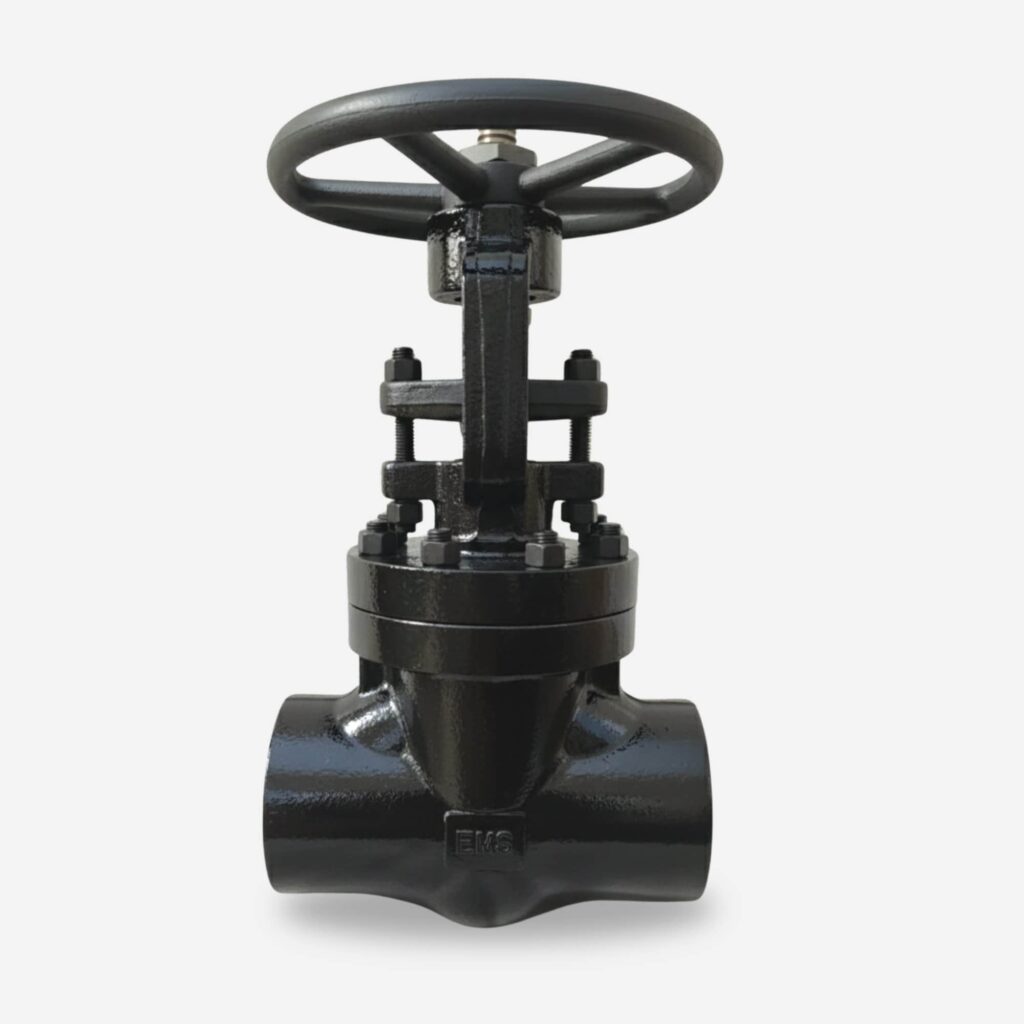
The Superiority of a Forged Valve in High-Pressure Systems
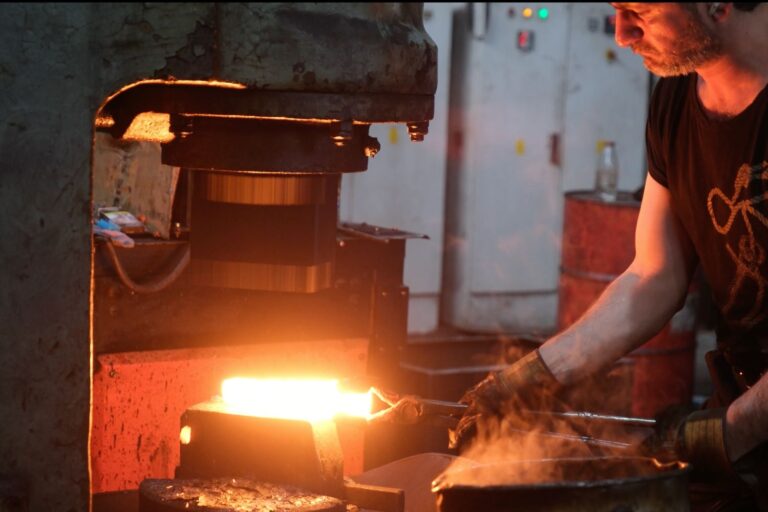
A forged valve is specifically engineered to withstand extreme conditions where safety cannot be compromised. Unlike casting, the forging process involves shaping metal using localized compressive forces, which aligns the grain structure of the material. This metallurgical refinement results in a component with higher impact strength and resistance to fatigue. For engineers working in refineries or power plants, this means a significantly lower risk of porosity or internal defects that could lead to catastrophic failure.
The mechanical properties of these valves make them the industry standard for high-temperature and high-pressure service. When you choose a reputable manufacturer, you are investing in a product that has undergone rigorous thermal and mechanical processing. This ensures that the valve body can handle thermal shocks and pressure surges without losing its sealing capabilities. High-performance systems require the structural uniformity that only a dedicated forging process can provide, ensuring long-term operational peace of mind.
Key Considerations for Selecting a Forged Valve Manufacturer
When evaluating a manufacturer, the first thing to check is their adherence to international design standards. A world-class partner should provide a wide range of products, including the globe valve class 800 and specialized gate valves designed according to API 602 and ASME B16.34. These standards dictate the minimum wall thickness, stem diameters, and pressure-temperature ratings required for safe operation. A manufacturer that masters these specifications demonstrates a deep commitment to engineering excellence and global safety protocols.
Furthermore, material traceability is a cornerstone of authority and trust (E-A-T). You should seek a manufacturer that offers a comprehensive stock forged valve inventory in various grades. From standard carbon steel like A105 to a high-grade Stainless Steel forged Valve (such as F316L or F304), the ability to provide the right metallurgy for your specific medium is crucial. Traceability ensures that every valve can be traced back to its heat number, guaranteeing that the chemical composition meets the required mechanical benchmarks.
Finally, consider the manufacturer’s production capacity and customization options. A reliable partner doesn’t just sell off-the-shelf items; they offer engineering support for complex projects. Whether you need a standard configuration or a specialized barstock valve for instrumentation, the manufacturer’s technical depth should act as an extension of your own engineering team. Optimism in industrial growth is fueled by such strong partnerships, where quality products meet innovative engineering solutions to drive global energy and production goals forward.
Technical Specifications and Performance Metrics
Precision is the language of engineering. To help you make an informed decision, we have compiled a table showing the standard specifications typically found in high-performance forging manufacturers. These metrics are essential for matching the valve to your process requirements.
| Feature | Specification / Standard | Application Benefit |
| Design Standard | API 602 / ASME B16.34 | Guaranteed wall thickness and safety margins. |
| Pressure Class | Class 800, 1500, 2500, 4500 | Versatility from standard to supercritical pressure. |
| Common Materials | A105, F11, F22, F316L, F304 | Corrosion resistance and high-temp stability. |
| Size Range | 1/4″ to 2″ (Standard Forged) | Ideal for bypass, drain, and instrument lines. |
| End Connections | Threaded, Socket Weld, Flanged | Flexibility in installation and leak prevention. |
The Role of the Ball Valve Class 800 in Modern Plants
The ball valve class 800 has become an indispensable component in modern industrial layouts due to its quick-acting operation and tight shut-off capabilities. Unlike traditional gate valves, a forged ball valve provides a 90-degree turn for rapid isolation, which is critical during emergency shutdown (ESD) scenarios. In high-pressure gas or liquid lines, the forged body prevents leak paths through the metal, ensuring that fugitive emissions are kept to an absolute minimum.
Modern manufacturing techniques allow for the production of these ball valves with various seat materials, from reinforced PTFE for standard temperatures to metal-to-metal seats for abrasive or extremely hot services. A manufacturer that specializes in forged ball designs understands the importance of torque management and seat integrity. By choosing a forged construction over a cast one, you ensure that the valve maintains its geometry even under significant pipeline stress, preventing the ball from jamming or the seats from deforming.
Optimizing Reliability with a Flanged Forged Valve
In many critical applications, the method of connection is just as important as the valve itself. A flanged forged valve offers the advantage of easier maintenance and replacement compared to welded options. While socket weld valves are excellent for preventing leaks, flanged versions allow technicians to remove the valve for inspection without cutting the pipe. This flexibility is vital in plants where downtime is calculated in thousands of dollars per hour.
Integrating a flanged design into your system also allows for better alignment and reduced stress on the valve body during installation. Leading manufacturers ensure that the flange dimensions strictly follow ASME B16.5, providing a perfect match for your existing piping. This attention to detail reduces the risk of gasket failure and ensures a leak-tight seal throughout the valve’s service life. When performance is the priority, the structural synergy between a forged body and precision-machined flanges is unmatched.
Why Stainless Steel Forged Valve Solutions are Essential
In the chemical and offshore industries, corrosion is the primary enemy of mechanical integrity. A Stainless Steel forged Valve provides the necessary resistance to oxidation and chemical attack that carbon steel simply cannot offer. Forging stainless steel is a complex process that requires precise temperature control to prevent the formation of detrimental phases like sigma or carbide precipitation. A manufacturer with deep metallurgical “know-how” will use controlled cooling and heat treatment to ensure the valve remains ductile and corrosion-resistant.
The use of stainless steel forgings is particularly common in high-purity applications, such as pharmaceutical or food processing, as well as in highly corrosive sour gas (H2S) environments. The smooth internal finish of a forged stainless valve reduces turbulence and prevents the buildup of contaminants. By selecting a partner who excels in stainless steel forging, you ensure that your facility meets the highest hygiene and safety standards while extending the interval between costly maintenance cycles.
Maintenance and Long-Term Reliability of Forged Components
High-pressure valves are significant investments, and their long-term reliability depends on both the initial manufacturing quality and subsequent maintenance. A professional manufacturer provides clear documentation, including Installation, Operation, and Maintenance (IOM) manuals. Forged valves, due to their robust nature, generally require less frequent maintenance than cast alternatives, but periodic checks on packing integrity and seat wear are still necessary to ensure peak performance.
- Visual Inspection: Regularly check the body-bonnet joint for any signs of weeping or oxidation.
- Packing Adjustment: Ensure the gland bolts are tightened correctly to prevent stem leaks without hindering movement.
- Operation Cycles: Periodically stroke the valve to prevent “freezing” in systems where the valve stays in one position for long periods.
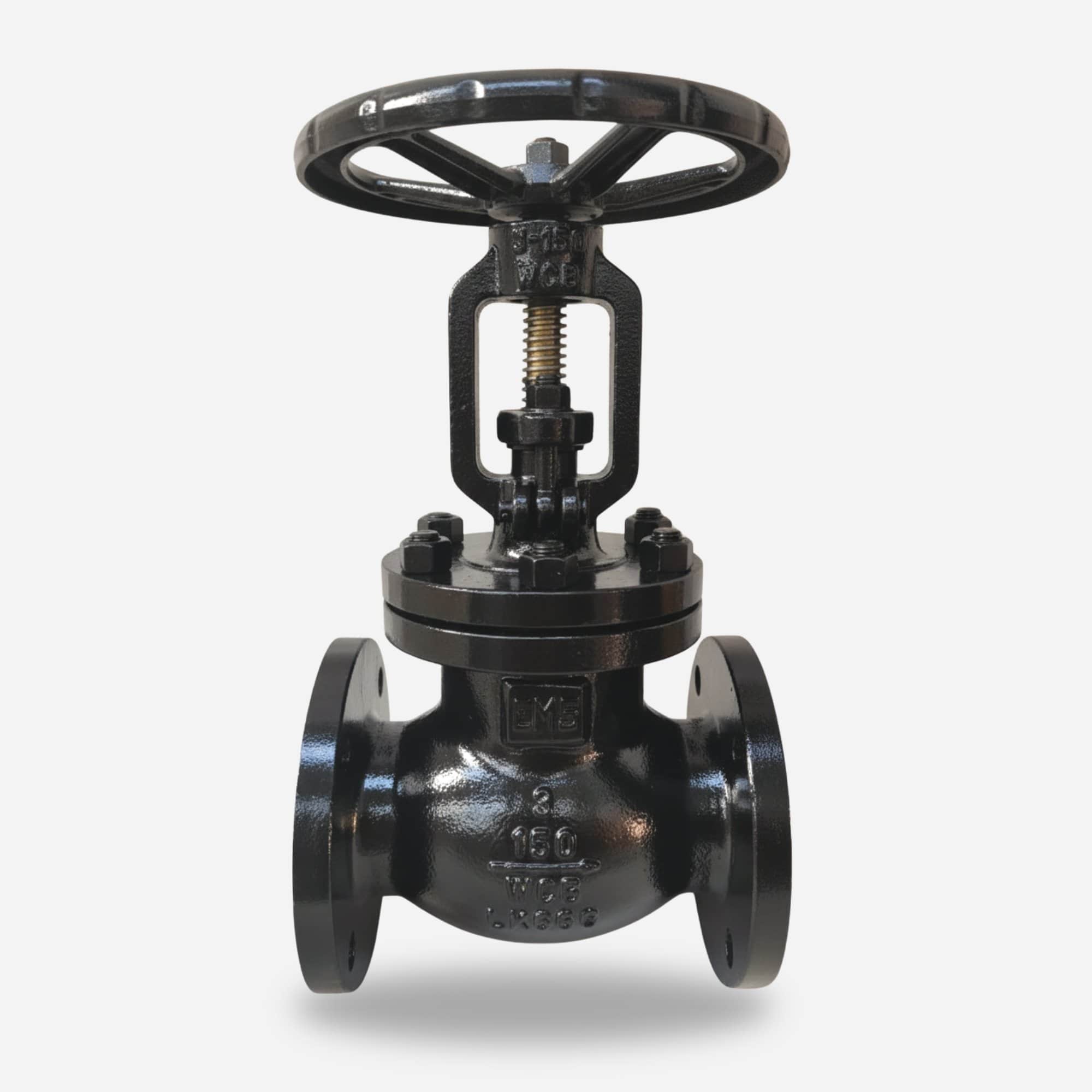
- Seat Integrity: For globe valves, ensure the disc and seat are free of debris that could cause wire-drawing.
- Lubrication: Keep the stem threads and yoke nut lubricated to reduce operating torque and wear.
Investing in a high-quality forged valve is the most effective way to safeguard your industrial infrastructure against the challenges of high-pressure operations. By partnering with a manufacturer that prioritizes engineering precision, material quality, and international compliance, you ensure a future of steady, safe, and efficient production. At EMS Valve, we take pride in our 45 years of experience as a leader in the forging industry, offering 100% domestic production and tailor-made solutions for your most demanding projects. Contact us today to request a quote and experience the difference that world-class forging technology brings to your facility’s performance.




Contact Us Now
Reach out to our expert team today for tailored valve solutions for your projects.