A forged valve increases plant safety and continuity by delivering superior leak-tightness at high pressures and temperatures in demanding processes. In this comprehensive guide, we examine in depth the technical advantages, selection criteria and application areas of forged valves. As you read, you can contact us via our “Request a Quote” form; our engineering team will quickly recommend the right product.
What Is a Forged Valve? Manufacturing Method and Key Difference
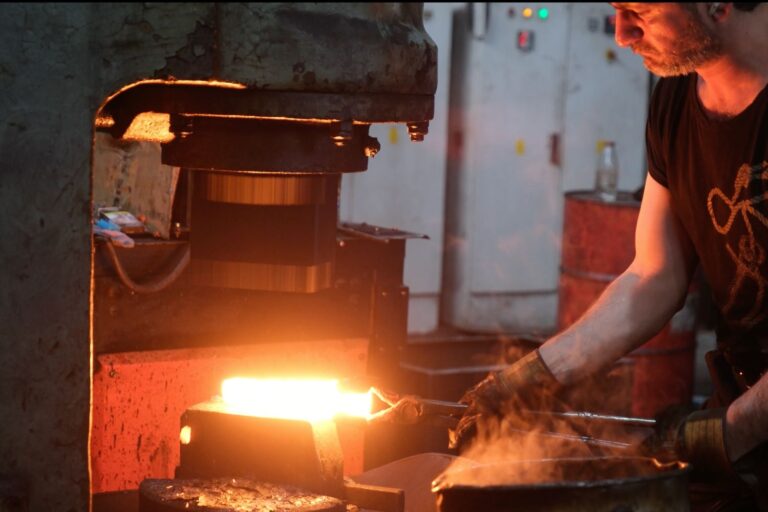
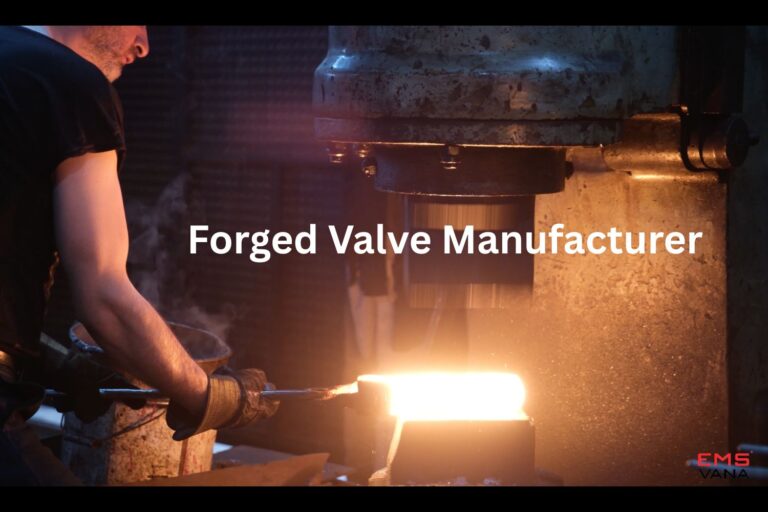
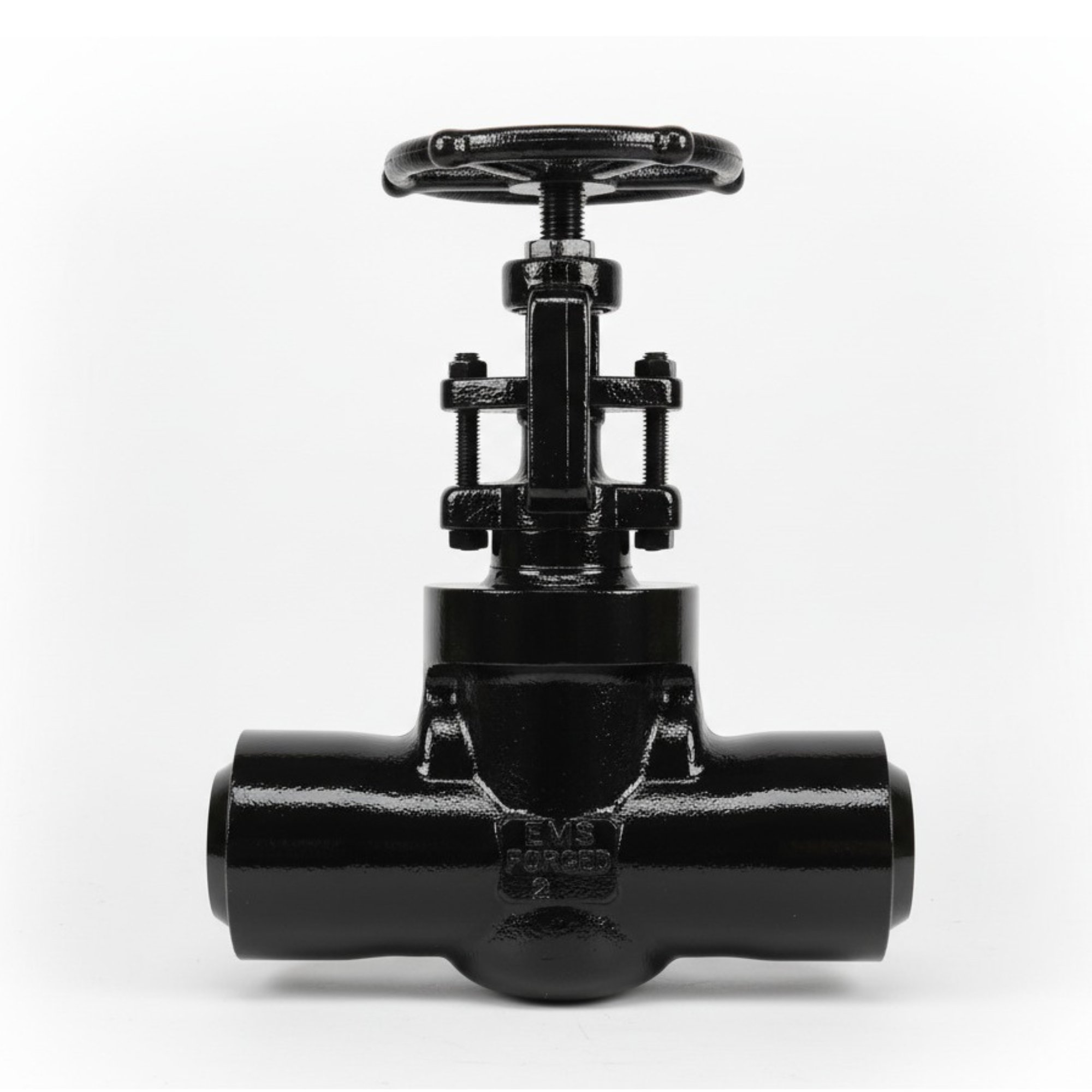
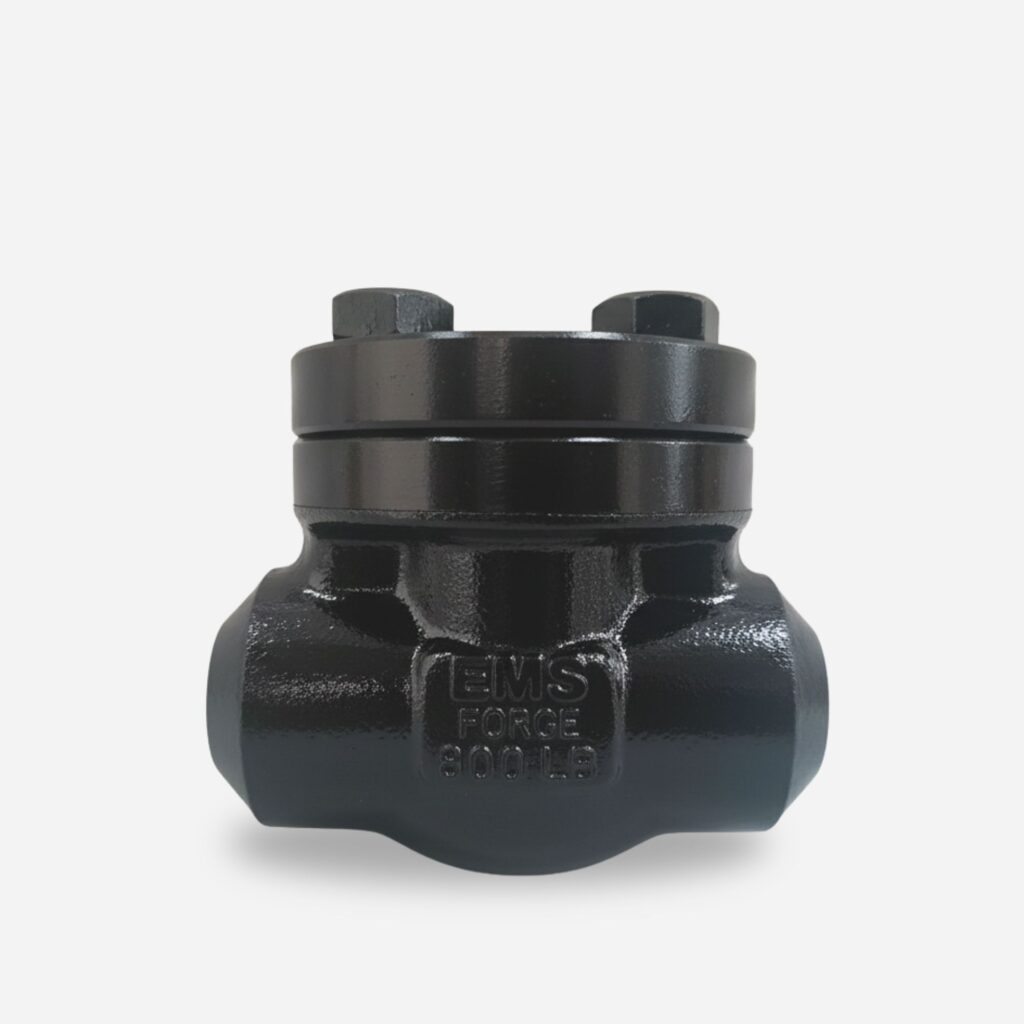
A forged valve is manufactured by hot or cold forging, which aligns the grain structure of the metal and provides high toughness and strength. Because this method significantly reduces the risk of porosity, shrinkage cavities and internal defects, it is a reliable choice for high-pressure classes. Forged valve solutions are widely used particularly in hydrocarbon service, power generation, refinery and chemical processes.
Forged vs Cast: Structural Reliability
Cast valves can offer advantages in wide body geometries and large nominal diameters. By contrast, forged valves stand out in critical service (high pressure / high temperature, thermal shock) thanks to their more compact bodies, homogeneous material structure and high impact toughness. The ability to maintain tight machining tolerances also has a positive effect on the quality of sealing surfaces.
Safety Under High Pressure: Design, Wall Thickness and Service Life
Forged valve bodies are optimised to resist deformation under high internal pressure. Homogeneous wall thickness, carefully designed section transitions and appropriate heat treatment increase fatigue strength. The result is extended valve life, reduced risk of unplanned shutdowns and lower total cost of ownership (TCO).
Pressure–Temperature Envelope and Process Safety
The actual operating points of your process (pressure, temperature, fluid properties) must be evaluated together with the pressure–temperature envelopes defined by the standards. A forged valve provides an additional safety margin, particularly in high-pressure classes (e.g. severe service), and helps maintain sealing integrity. In applications with frequent thermal cycles, dimensional stability has a direct impact on operational safety.
Sealing Performance: Reducing Emission and Leakage Risks
Sealing is not only about preventing visible leaks, but also about controlling fugitive emissions for environmental and occupational safety. In a forged valve, precise machining of the body–bonnet joints, body–stem area and seating surfaces enables very low leakage levels.
Surface Finish, Seating Geometry and Gasket Selection
- Control of the roughness of machined seating surfaces supports long-term sealing performance in both metal-to-metal and soft-seated designs.
- Uniform surfaces and torque distribution at body and bonnet flanges ensure proper gasket compression.
- When gasket material compatible with the fluid and temperature (graphite, PTFE derivatives, spiral wound, etc.) is combined with correct torque and assembly discipline, leakage risk is minimised.
Material Quality and Metallurgical Advantages
The forging process aligns the grain flow parallel to the component geometry, making crack propagation more difficult. This increases impact resistance and fatigue life. In critical service (high temperature, sulphur-containing fluids, hydrogen effects, etc.), the correct material grade and heat treatment further enhance the reliability of the forged valve.
Grain Flow, Toughness and Safety Margin
Oriented grain boundaries support body integrity under sudden pressure fluctuations or vibration. This, in turn, provides a stable basis for the performance of sealing elements (seat, stem packing, gaskets).
Non-Destructive Testing (NDT) and Traceability
Positive Material Identification (PMI), ultrasonic/magnetic particle testing, liquid penetrant and, where necessary, radiographic examinations are combined with a full traceability chain from production to installation. Material certificates (EN 10204 3.1/3.2), test protocols and dimensional reports document the quality assurance process in line with E-E-A-T principles.
Maintenance, Serviceability and Total Cost of Ownership (TCO)
A forged valve, with its compact design, precise machining and long sealing life, extends maintenance intervals. This helps reduce maintenance costs, shorten planned shutdowns and optimise spare-part inventories. The savings achieved over the operational lifetime can quickly offset any difference in initial investment.
Five Cost-Reducing Factors (Summary)
- Longer sealing life → fewer shutdowns
- Stable torque and closing behaviour → lower actuator load
- Proper material selection → less corrosion/erosion
- Standards-compliant design → faster commissioning
- Optimised spare parts → reduced stockholding costs
Confidence Based on Standards Compliance
Forged valve designs are developed to meet the requirements of ASME/ANSI, API and relevant European directives (e.g. PED for pressure equipment), where applicable. Pressure and leak tests, visual and dimensional inspections and non-destructive examinations form the backbone of the quality system. As a result, every product delivered offers traceable and verifiable performance.
Applications and Selection Criteria
A forged valve is preferred in demanding fields such as oil and gas, petrochemicals, refineries, power generation, steam systems, chemical processes and high-pressure utility lines. When selecting a valve, it is recommended to evaluate the following criteria together:
- Process conditions: pressure, temperature, fluid type (corrosive, solids-laden, viscous).
- Material compatibility: options such as carbon steel, stainless steel and alloy steels.
- Sealing requirements: metal-to-metal or soft-seated design; emission limits.
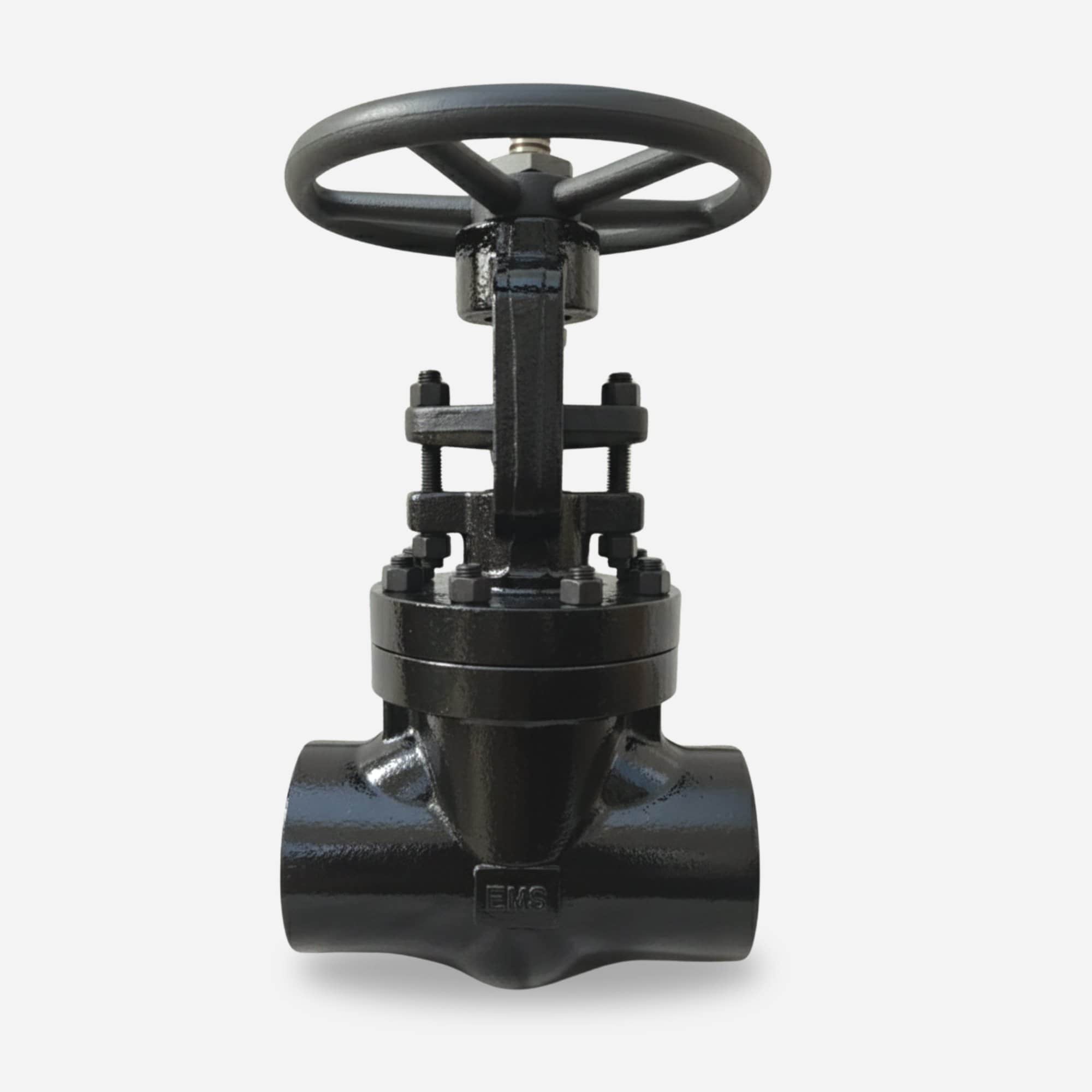
- Connection type: body–bonnet design, flanged/threaded/socket weld connections.
- Standards and certification: ASME, API, PED and customer specifications.
- Maintenance and accessibility: packing adjustment, seat replacement, actuator interface.
Comparison Table: Forged Valve vs Cast Valve
The table below summarises the typical strengths of the two manufacturing methods from a general engineering perspective. The final choice for a specific project should always be based on process conditions and a cost–risk analysis.
| Feature / Criterion | Forged Valve | Cast Valve |
|---|---|---|
| Material structure | Homogeneous grain flow, high toughness | Wide geometry; risk of internal defects managed by process control |
| High pressure / temperature | Superior stability under severe conditions | Economical solutions for medium-to-high conditions |
| Sealing surfaces | Tight tolerances, high surface finish | Wider tolerance ranges |
| Size / compactness | Compact body, lower mass | Flexibility in designs for large nominal diameters |
| Inspection and traceability | Extensive NDT, high traceability | Controlled through standards-compliant quality plan |
| Maintenance interval / TCO | Longer intervals, reduced total cost of ownership | Lower initial investment in suitable services |
| Typical use | Critical service, pressurised / thermally cycled lines | General service, large-diameter applications |
EMS Valve Approach: Engineering, Quality and Partnership
By combining an engineering mindset with stringent quality assurance disciplines, EMS Valve aims to meet high pressure and leak-tightness expectations in its forged valve solutions. We define the product configuration that best fits your project’s pressure–temperature envelope, fluid chemistry and circuit layout, and openly communicate the testing and documentation plan. In this way, safety, continuity and efficiency are jointly secured in your plant.
Conclusion: Safety, Performance and Sustainable Cost with Forged Valves
In summary, a forged valve is one of the most robust options for reliably ensuring sealing and strength in demanding processes, extending maintenance intervals and reducing total cost of ownership (TCO). With the right material, the right sealing design and full standards compliance, it adds long-lasting value to your projects. Contact us now to schedule a 15-minute preliminary consultation with our engineers regarding your forged valve requirements.


Contact Us Now
Reach out to our expert team today for tailored valve solutions for your projects.