
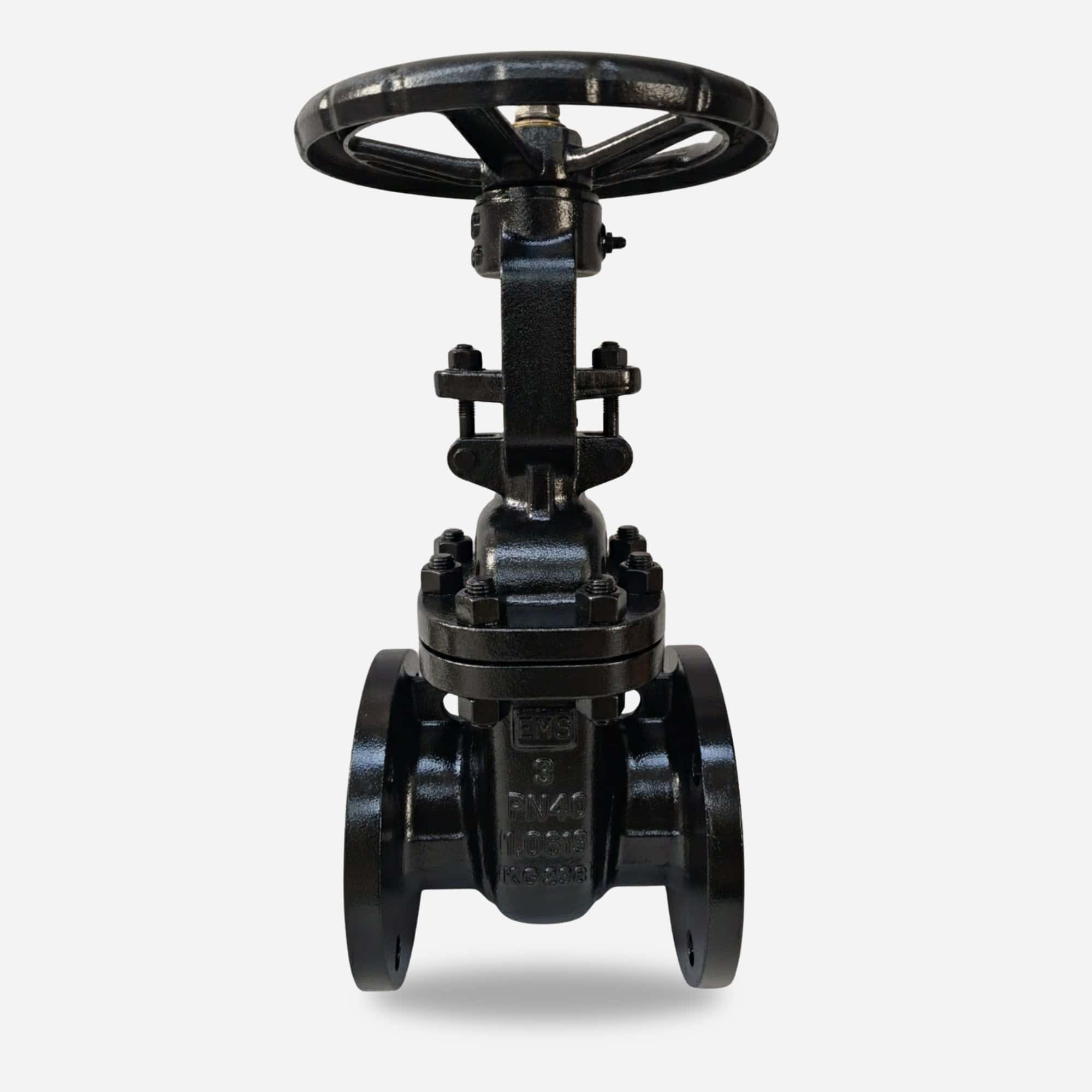
Gate Valve (DIN)
|
Nominal Size : |
1/2″-24″ |
|
Pressure Rating : |
PN10-PN16-PN25-PN40-PN64-PN100 |
|
Design Standards : |
EN 12516 |
|
Actuation : |
Lever operated, gear operated, pneumatic actuated, electric actuated, hydraulic actuated |
|
End Connections : |
Bw, Flanged-Rf/RTJ |
|
Materials : |
ASTM A105&A216-WCB&A352-CF8&A352-CF8M&A352-CF3&A352-CF3M |
Gate Valve (DIN) is a type of sliding valve that provides reliable isolation and minimum pressure loss in process pipelines. EMS Valve’s engineering approach in line with DIN/EN standards combines durability, safety and ease of maintenance.
40+ Years of Experience
We have been operating in the sector since 1979.
Manufacturer’s Guarantee
Fast delivery and competitive pricing with our guarantee.
High Quality
We ensure high-quality production to international standards.
Gate Valve (DIN) – Definition and Advantages
A gate valve (sliding valve) is a valve that fully opens or fully closes the flow by moving the wedge/gate element up and down. As it provides a straight-through flow path in the fully open position, friction and pressure loss are low. This characteristic offers energy efficiency in high-flow lines and resistance to clogging in fluids containing solid particles. The OS&Y (Outside Screw & Yoke) design improves operational safety by making the stem position easily visible from outside.
Application
Gate Valve (DIN) delivers reliable performance in lines where full open/close isolation is required. The straight-through bore and low torque requirement help reduce operating costs.
Oil & Gas / Refining
Stable tightness at high temperatures and pressures. Compatible integration in European plants where DIN/EN flanges are preferred instead of RTJ.
Power Plants
Long service life in steam and thermal oil circuits through metal-to-metal seating and proper alloy selection; remote operation via gearbox or actuator.
Water & Wastewater, Chemicals
Low pressure loss in clean water and process fluids. With stainless/alloy bodies and suitable gaskets for chemical resistance, the risk of corrosion is reduced.
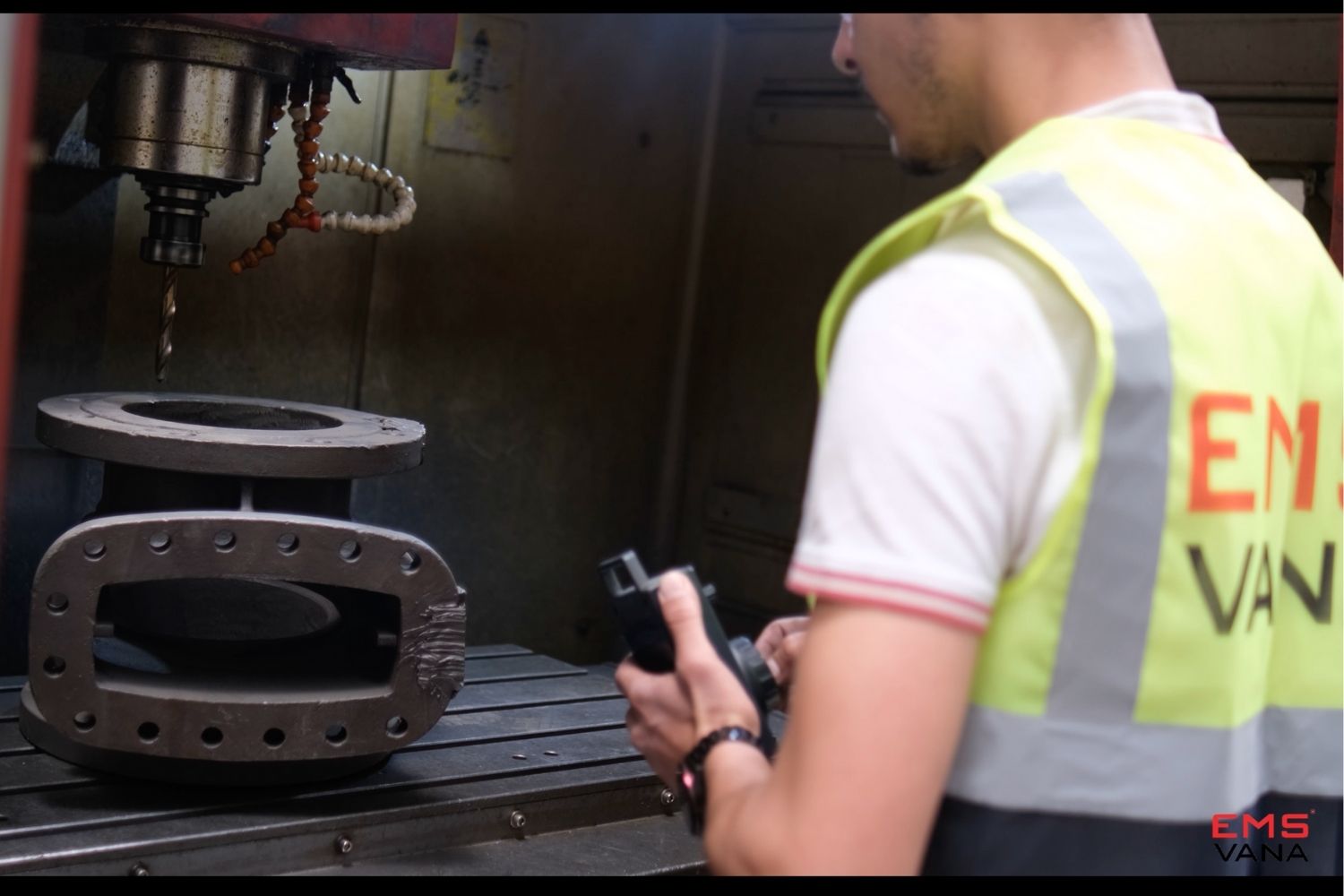
Installation and Maintenance Recommendations
Proper installation and planned maintenance are critical to sustaining sliding valve performance.
- Clean flange faces, check alignment and tighten with the appropriate torque.
- Verify stroke and torque values during initial commissioning.
- Perform periodic visual inspection of stem, packing and bonnet connections.
- Regularly check limit/torque switch settings on actuated versions.
- Before servicing, depressurise the line and ensure it has cooled to a safe temperature.
Why EMS Valve?
EMS Valve supports you from gate valve selection through to commissioning with an engineering team experienced in DIN/EN standards, quality-assured production and a project-focused approach. EMS Valve manages a transparent process with traceable material certificates, test reports and acceptance protocols, and delivers reliable, sustainable solutions under heavy-duty operating conditions.
Let us define the most suitable Gate Valve (DIN) configuration for your project together. EMS Valve specialists analyse your process data to deliver a safe, economical and long-lasting solution. Request a quotation now and start your planning today.
Contact Form
Contact Us Now
Reach out to our expert team today for tailored valve solutions for your projects.