
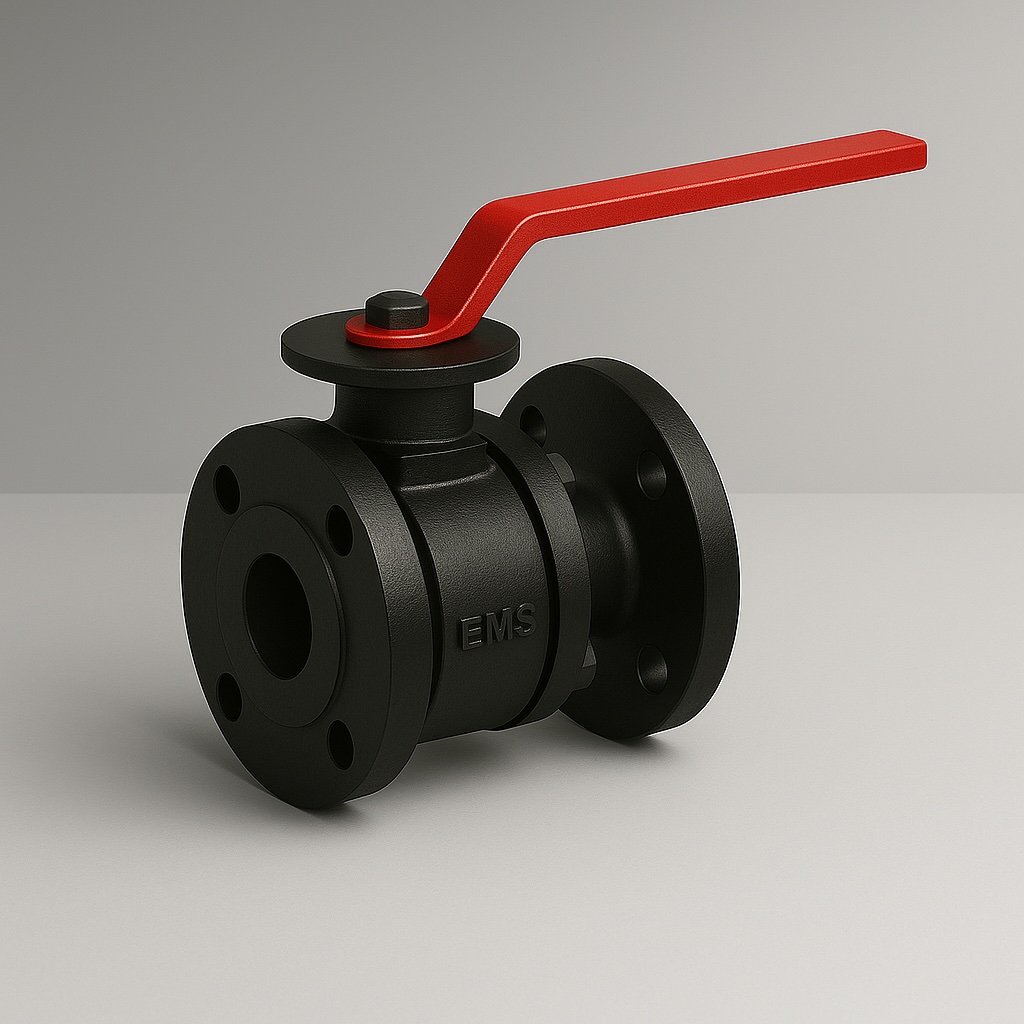
Floating Ball Valve (DIN)
|
Nominal Size : |
1/2″-24″ |
|
Pressure Rating : |
PN10-PN16-PN25-PN40-PN64-PN100 |
|
Design Standards : |
API 600 |
|
Actuation : |
Lever operated, gear operated, pneumatic actuated, electric actuated, hydraulic actuated |
|
End Connections : |
Bw, Flanged-Rf/RTJ |
|
Materials : |
ASTM A105&A216-WCB&A352-CF8&A352-CF8M&A352-CF3&A352-CF3M |
The floating ball valve (DIN) combines compact design, low operating torque and high tightness performance to deliver reliable flow control in oil & gas, chemical, power and general process lines. With the engineering approach of EMS Valve, we provide solutions fully compliant with DIN/EN standards.
40+ Years of Experience
We have been operating in the sector since 1979.
Manufacturer’s Guarantee
Fast delivery and competitive pricing with our guarantee.
High Quality
We ensure high-quality production to international standards.
What Is a Floating Ball Valve (DIN)?
A floating ball valve is a valve type in which the ball is positioned “floating” inside the body and line pressure pushes the ball against the downstream seat to achieve tight sealing. This principle offers low torque, fast on–off operation and an economical total cost of ownership, particularly in small to medium sizes. The floating ball valve (DIN) configuration is engineered to match PN16/PN25/PN40 ratings, EN 1092-1 flanges and EN 558 face-to-face dimensions.
Technical Advantages and Application Areas
- Low torque requirement and fast operation
- Tight leakage classes with soft-seat design; optional metal-to-metal sealing
- ISO 5211 top flange for actuator compatibility
- Fire-safe (ISO 10497 / API 607) and low fugitive emission (ISO 15848) options
- EN 10204 3.1 material certification and full traceability
Where is it used? In refinery and petrochemical lines, solvent and utility fluid transfer, auxiliary systems of power plants, water–wastewater and seawater applications, as well as general process industries. The compact body and full-bore options reduce pressure drop and provide advantages in lines that require pigging.

Installation – Operation – Maintenance Tips
- Alignment and cleaning: Clean the inside of the line before installation; misalignment can accelerate seat wear.
- Torque setting: Allow a safety margin in actuator sizing; excessive torque shortens seat life.
- Commissioning: Check sealing surfaces during the first open–close cycles; verify packing adjustment to minimise fugitive emissions.
- Periodic maintenance: Packing, stem bearings, stop limits and bolted connections should be periodically inspected.
- Spare parts management: Seat sets, packing and gland kits should be included in critical stock.
Selection Guide: How to Specify the Right Floating Ball Valve (DIN)?
- Fluid & temperature range: Assess corrosion / erosion risk and compatibility with seat / elastomer materials.
- Pressure & flow: Define continuous / peak values and acceptable pressure drop.
- Connection & PN rating: Select EN 1092-1 flange type and match PN16 / PN25 / PN40.
- Bore & seat type: Choose between full-bore / reduced-bore and soft-seat / metal-seat options.
- Actuator & safety: Determine pneumatic / electric / manual operation, ESD requirements and locking needs.
- Testing & documentation: Define EN 12266 test plan, EN 10204 3.1 certificates, coating system and third-party inspection (TPI) scope.
Why EMS Valve?
EMS Valve reduces project risk through local manufacturing strength, flexible configuration options and test procedures aligned with relevant standards. With an agile supply chain, quality assurance and robust technical documentation, we support your installation and commissioning schedule with confidence. Our experienced engineering team helps you define the optimal material/seat combination, PN rating and actuation arrangement.
Pricing and Quotation Process
Floating ball valve prices depend on size (DN), PN rating, body/ball/stem materials, seat type, end connection, test scope and actuator/accessory requirements. Once you share your specification, we optimise the most efficient configuration for your application and prepare a transparent, competitive quotation.
When you need full compliance with DIN/EN line standards, low torque and high tightness, the floating ball valve (DIN) is the right choice. Let us configure the most suitable solution for your process with EMS Valve. Contact us today and receive a fast price quotation for your floating ball valve (DIN).
Contact Form
Contact Us Now
Reach out to our expert team today for tailored valve solutions for your projects.