
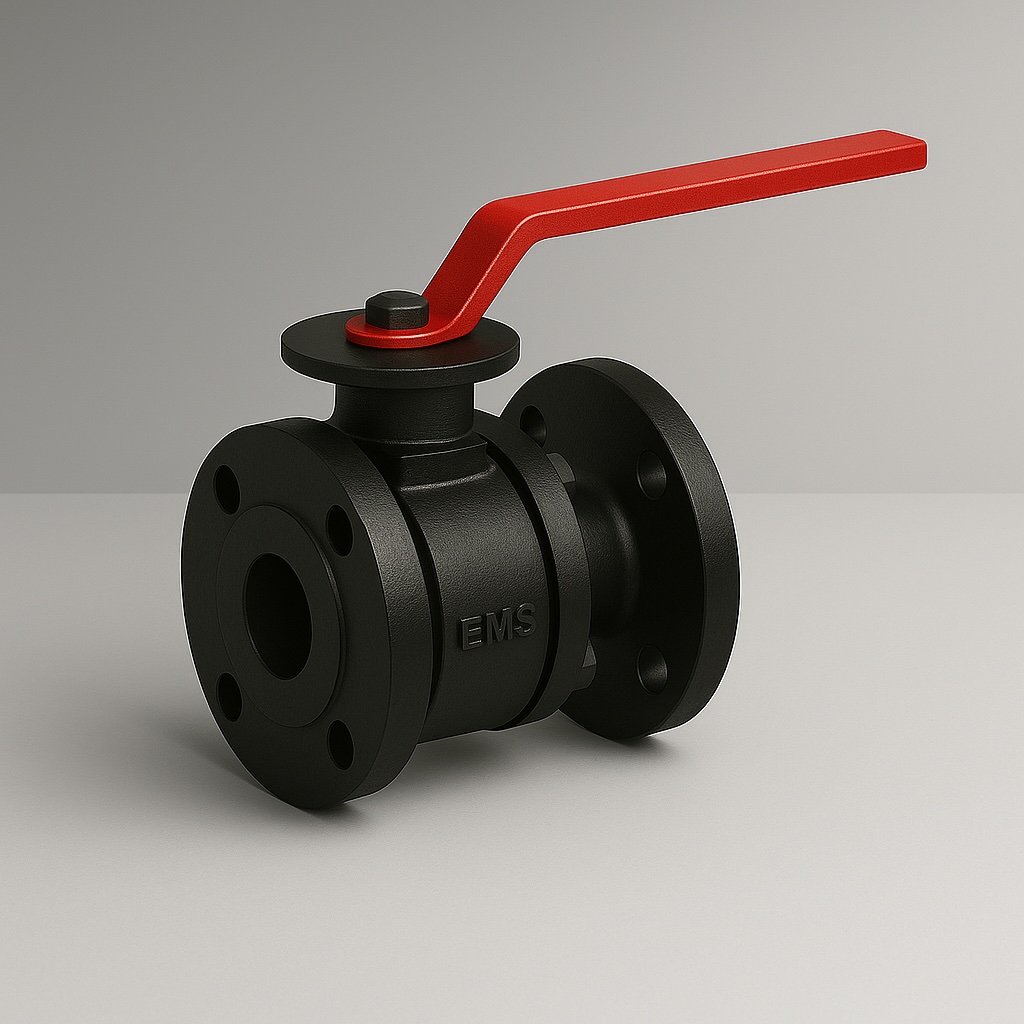
Floating Ball Valve (ANSI)
|
Nominal Size : |
1/2″-24″ |
|
Pressure Rating : |
150LB-300LB-600LB-900LB-1500LB |
|
Design Standards : |
API 600 |
|
Actuation : |
Lever operated, gear operated, pneumatic actuated, electric actuated, hydraulic actuated |
|
End Connections : |
Bw, Flanged-Rf/RTJ |
|
Materials : |
ASTM A105&A216-WCB&A352-CF8&A352-CF8M&A352-CF3&A352-CF3M |
The floating ball valve (ANSI) offers a safe and compact solution for oil & gas, chemical and general process lines with its compact body, low torque requirement and tight shut-off performance. Boost the efficiency of your pipeline with EMS Valve’s engineering experience and quality-focused test procedures.
40+ Years of Experience
We have been operating in the sector since 1979.
Manufacturer’s Guarantee
Fast delivery and competitive pricing with our guarantee.
High Quality
We ensure high-quality production to international standards.
What Is a Floating Ball Valve (ANSI)?
A floating ball valve is a design in which the ball is fixed to the stem yet “floats” within the valve body. As line pressure increases, the ball is pushed towards the downstream seat, ensuring reliable tightness. This principle provides low operating torque, fast on–off operation and an economical total cost of ownership (TCO) in small to medium sizes.
ANSI/ASME-compliant face-to-face dimensions and end connections enable seamless integration into your existing piping standards.
Technical Advantages and Performance Features
- Standard accessory: ISO 5211 top flange for easy mounting of pneumatic or electric actuators.
- Low torque – fast operation: The floating ball design reduces actuator size and energy consumption.
- Tight shut-off: Soft-seat (PTFE / RTFE / PEEK, etc.) solutions for low leakage classes.
- Fire-safe option: Secondary sealing capability after fire in accordance with API 607 / ISO 10497.
- Fugitive emission control: Packing configurations developed in line with ISO 15848 requirements.
- Antistatic & blow-out proof stem: Enhanced operational safety and reliability in ESD scenarios.
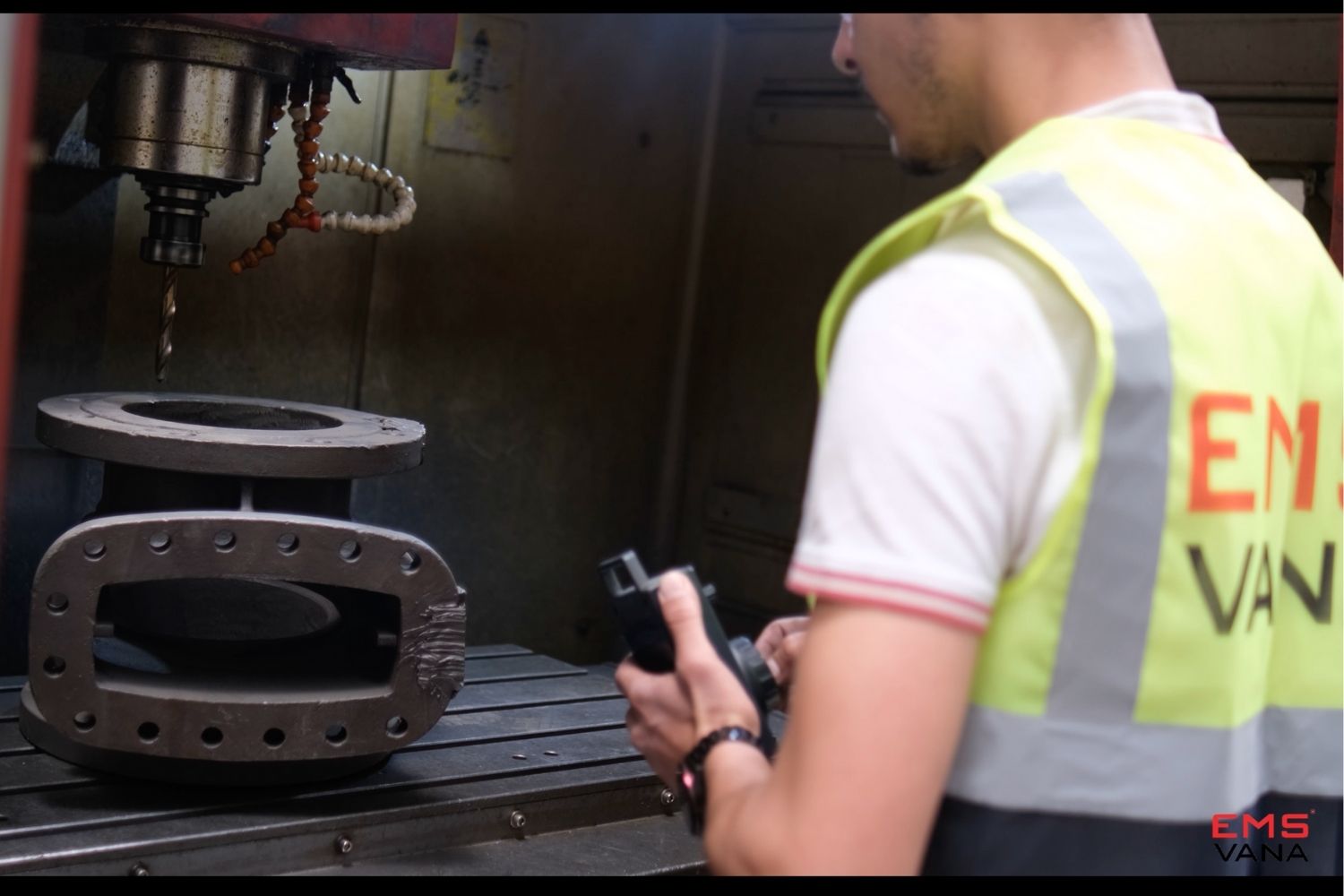
Application Areas
The floating ball valve delivers reliable and efficient operation in the following processes:
- Oil & gas: Gathering and distribution lines, separation units
- Refinery & petrochemical: Product / intermediate transfer, solvent lines
- Power plants: Steam auxiliary systems, fuel gas lines
- Water, wastewater & seawater: With corrosion-resistant material combinations
- General process industries: Chemicals, utility media in food & beverage plants
Selection Guide and Sizing (Step by Step)
- Fluid & temperature: Define corrosion / erosion risks and compatibility with seat elastomers.
- Pressure & flow: Identify continuous / peak values and acceptable pressure drop.
- End connection & rating: Check RF / RTJ / BW options and ANSI Class matching.
- Seat type: Soft seat (low torque, tight shut-off) / metal seat (high temperature / particles).
- Actuation: Manual (lever/gear), pneumatic or electric actuator.
- Testing & documentation: API 598 / 6D test plan, material certificates (EN 10204 3.1), painting, NDE/NDT scope.
Floating Ball Valve Prices and Quotation Process
Floating ball valve prices are defined by the following parameters:
- Size (NPS/DN) and ANSI Class (150 / 300 / 600)
- Body / ball / stem materials and seat type (soft / metal)
- End connection (RF / RTJ / BW) and face-to-face dimensions
- Test scope (API 598 / 6D), fire-safe / ISO 15848 / NACE requirements
- Accessories such as actuator, locking device, injection port, special coating
If you are looking for low torque, fast on–off and reliable tightness in small to medium sizes, the floating ball valve (ANSI) is the right choice for your line. Together with EMS Valve’s engineering team, we can define the most suitable floating ball valve configuration for your project. Contact us now and receive a competitive quotation.
Contact Form
Contact Us Now
Reach out to our expert team today for tailored valve solutions for your projects.